
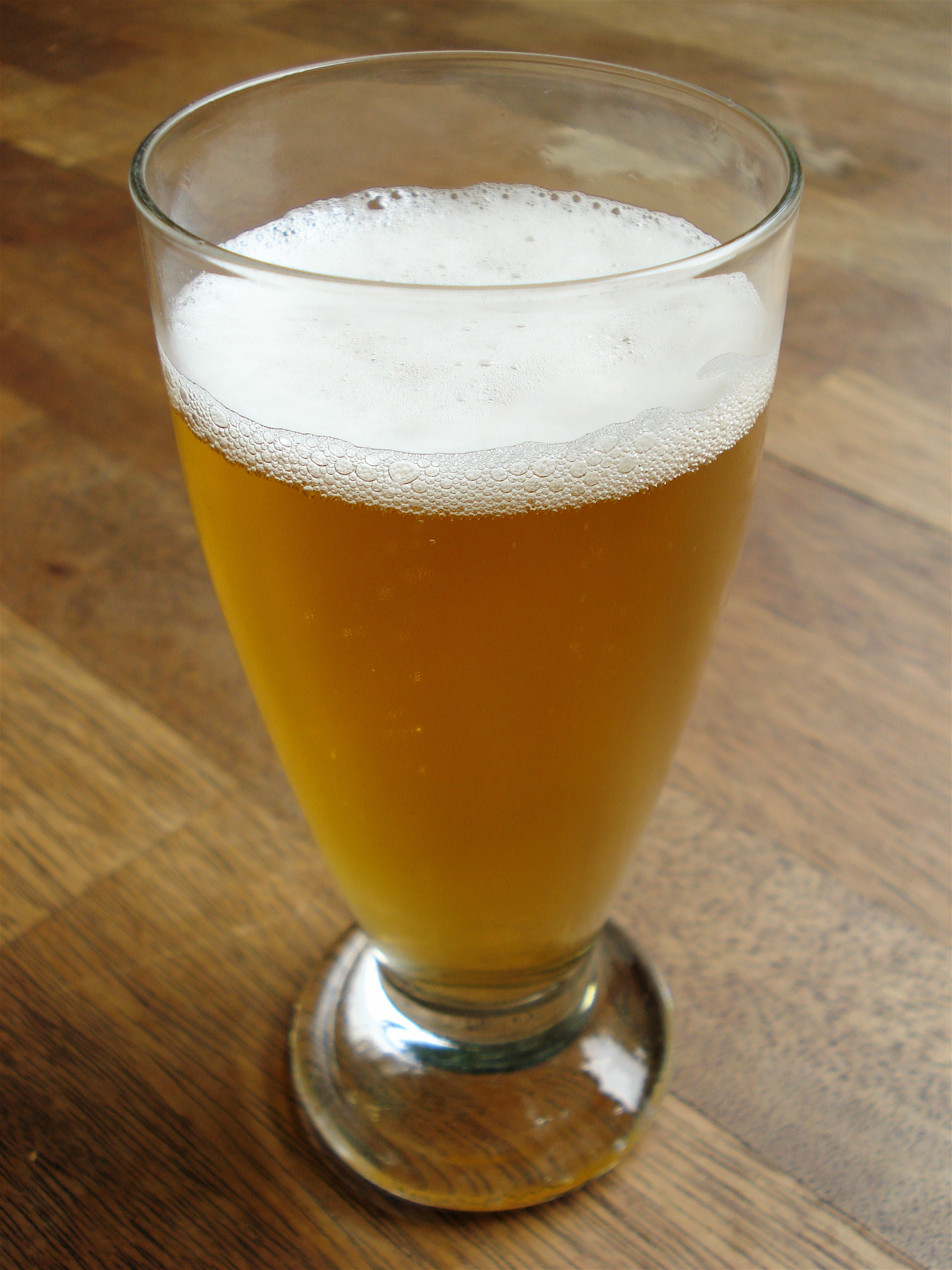
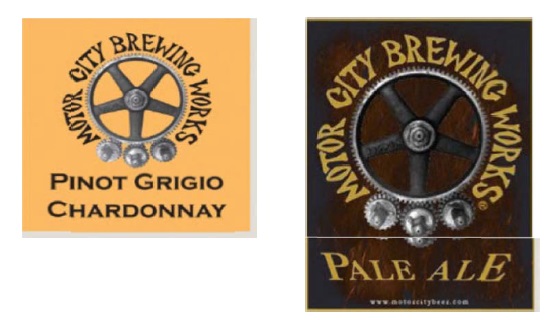
In January I wrote about a decision from the Trademark Trial and Appeal Board (“TTAB”), in which the TTAB said that a beer brewer could not register a trademark too similar to a trademark for a wine product. Trying to save its trademark application, that applicant argued that a consumer would not be confused over the source of its IPA beer as against the similarly-trademarked wine product, since wine is different from beer; they are different classes of product. TTAB rejected this argument and affirmed the denial of IPA brewer’s trademark application.
I’d like to highlight another TTAB decision from that month that underscores this point, and offers a few others that a beverage producer should be aware of. The decision is called In re 8 Vini, Inc., Serial No. 85857391 (Jan. 16, 2015) (not precedential). The narrative is similar. The applicant desired to register the mark MASQUERADE for use on wines. A mark called MASCARADE already existed, but was registered for use on mixed drinks containing alcohol and fruit juice, not wines. The Examining Attorney refused registration; the applicant appealed.
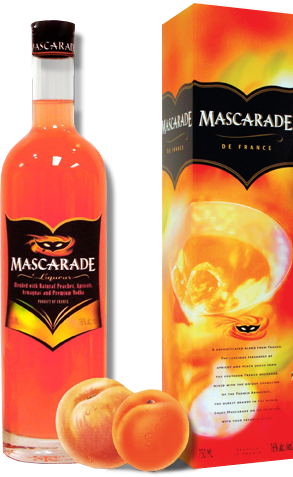
Recall that TTAB analyzes “two key considerations”: (1) how similar the marks are and (2) how similar the goods or services are. With respect to the second factor, TTAB held–again (see my prior post)–that consumers presented with both trademarks could be confused as to the source of goods, even though one trademark was approved for use on mixed drinks only, and the applicant sought approval for use on wine only. First, TTAB noted a handful of examples in which a trademark was approved for use on both wine and mixed drink products. Therefore, consumers understand that single trademark may be used on both types of alcoholic beverages. Second, TTAB noted that because wine is sometimes an ingredient in a mixed drink (providing its alcohol content), wines and mixed drinks are related in the minds of consumers. TTAB looked to and cited websites containing such recipes, including infodrinks.com, drinksmixer.com, kimcrawfordwines.com, and Wikipedia.
As for the other “key consideration”–how similar the marks are–TTAB determined that although words are technically different, “consumers are likely to attach similar meanings to the marks.” The test, in TTAB’s words:
The proper test is not a side-by-side comparison of the marks, but instead whether the marks are sufficiently similar in terms of their commercial impression such that persons who encounter the marks would be likely to assume a connection between the parties.
The applicant argued that its MASQUERADE mark and the existing mark MASCARADE have different meanings; the former refers to “party at which people wear masks and often costumes,” and the latter means “farce,” in French. The applicant also argued that the words are pronounced differently (any linguists care to weigh in? I would personally say them the same way). TTAB rejected both arguments, finding that an average American consumer would not parse the words so finely: they “will simply perceive the term ‘mascarade’ as it is, most likely as an alternate or variant of the term ‘masquerade,’ or even as an intentional misspelling of ‘masquerade.'”
What the takeaways here? First, it seems to be an uphill fight to register a mark similar to an existing mark, even though the two marks are used on different alcoholic beverages. Softening TTAB’s stance somewhat, however, is that TTAB stressed in its opinion “there is no per se rule that all alcoholic beverages are related.” So hope is not all lost for a beer brewer wishing to register a mark similar to another that is used on another type of alcoholic beverage. Second, this opinion hints that TTAB may not believe the average consumer appreciates the more fine nuances between words, neither in meaning nor sound.






 Subscribe to this blog via RSS
 View Our LinkedIn Profile
 Follow Us on Twitter
 Friend us on Facebook